The short answer
Ask whether the goal is simply to change the block wall's colour or also to reduce its open surface texture. A block filler can be a separate layer in a compatible coating system. Make the required result visible in a sample rather than assuming extra finish paint will produce the same surface.
Describe the surface result you are buying
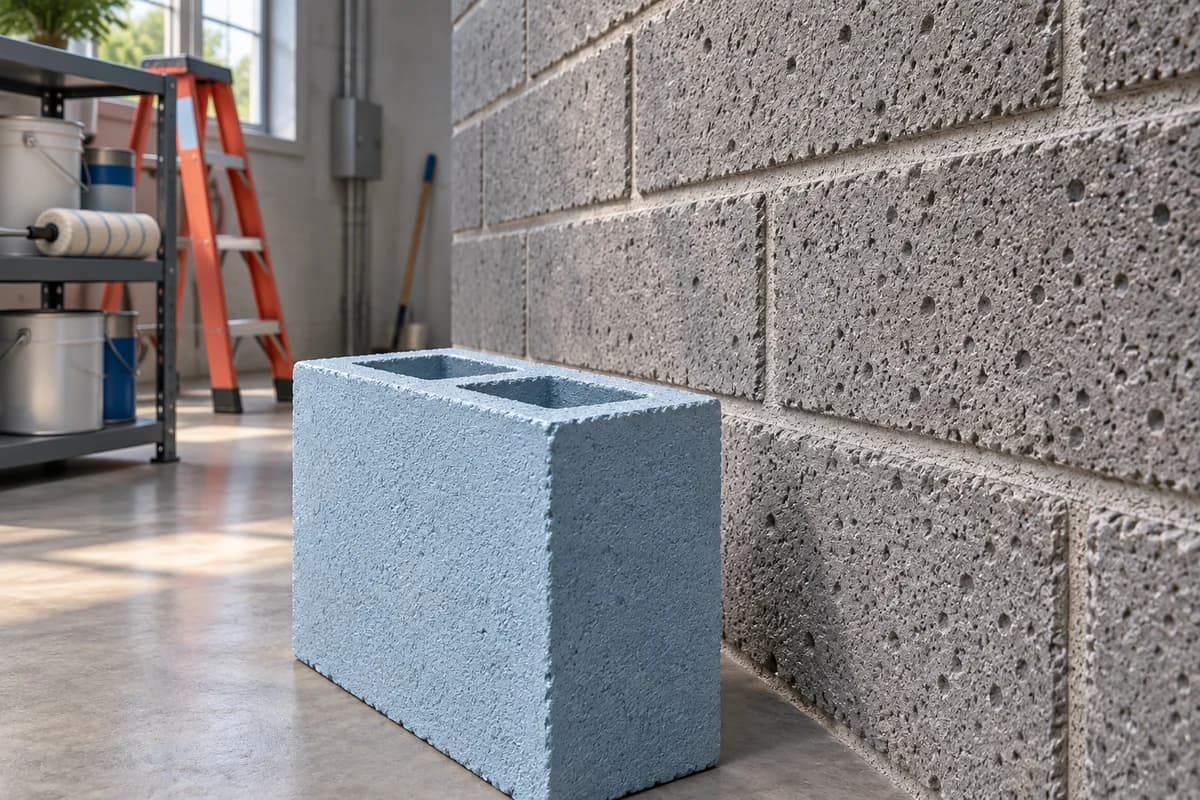
During a commercial block-wall walkthrough, look beyond the proposed colour. Does the owner want the block's rough character retained, or a more filled appearance in a staff corridor or service room? Photograph a representative area under the lighting normally used there. Include both block faces and mortar joints so the reference does not conceal the wall's variation.
Separate bare block from previously coated sections on the scope drawing. Ask the contractor to identify which areas need further assessment before a system can be selected. Visible damage, dampness or white deposits belong on a separate condition list; this decision concerns surface texture after the wall has been found suitable for coating.
Distinguish filler from the finish coat
Sherwin-Williams describes its commercial block filler as a high-build coating that fills pores, reduces porosity and improves uniformity before topcoating concrete and block. This establishes a different purpose from selecting the final colour. It does not establish that this particular product is appropriate for every wall or available for the proposed local job.
Ask the estimator to name the proposed filler, where it goes and which finish will cover it. If no filler is proposed, ask what surface appearance the alternative includes. Keep those answers alongside the price. Two estimates describing only painted block may otherwise allow for noticeably different results without either explaining the difference.
Reference: Sherwin-Williams: commercial block filler purpose
Approve texture before repeating the system
Request a sample showing the complete proposed preparation and finish, not an isolated brushstroke of colour. Review it from the agreed working and viewing positions. Note whether remaining pores, joint recesses and block outlines are acceptable. Do not use a smooth drywall sample as the standard for a textured masonry wall.
Record the sample location, products and accepted appearance before the full area proceeds. If the result is too open or too smooth for the intended room, obtain a revised proposal at that point. Any washdown, hygiene or waterproofing requirement needs its own supported specification; a visually filled surface alone does not prove those performance claims.
Keep this for your project
Your planning checklist
- Choose retained texture or a more filled appearance.
- Map bare and previously coated block separately.
- Identify the filler and compatible finish where proposed.
- Review a complete sample including mortar joints.
- Record remaining texture and any separate performance requirements.
Does block filler mean the wall will look like drywall?
Do not assume that result. Ask to see the proposed system on the actual block and agree which pores, joints and surface variations will remain visible.
Put the planning into practice
Download the free quote comparison kit to compare the work behind each price, or build your commercial project brief before requesting an estimate. No email required to use either tool.
Discuss your commercial project
For warehouse or light-industrial work, explore the access, surface-condition and downtime questions covered by our industrial and warehouse coating planning service.
Have a location and a rough scope? Request a commercial painting quote with the details you have. Access, timing and project requirements can then be reviewed for your property.
A planning guide from PainterzRus, a commercial painting business in Saskatoon. Not a site-specific coating specification, safety assessment or price quotation. Confirm requirements for your property before work begins.