The short answer
Before choosing a commercial floor coating from an abrasion figure, ask whether the competing results measure the same outcome under comparable conditions. Obtain the report details and have the supplier explain their relevance to your operation. A smaller reported loss cannot settle the purchase when the tests or specimens differ.
Start with the wear the business is trying to avoid
For a Saskatoon stockroom or commercial service area, describe the reported wear before comparing coating brochures. Identify the routes used by carts, the locations where goods are handled and any differences between busy aisles and quiet storage bays. Supply existing photographs and maintenance records. Keep abrasion, individual scratches, impact damage and peeling as separate observations for the reviewer.
Write down the purchasing objective in practical terms: for example, selecting a finish for an aisle with repeated trolley use. Ask the supplier which evidence addresses that objective and which additional questions remain. A general heavy-duty label should not decide whether the relevant concern is gradual surface wear or a different damage mechanism.
Put the reported quantities on the same basis
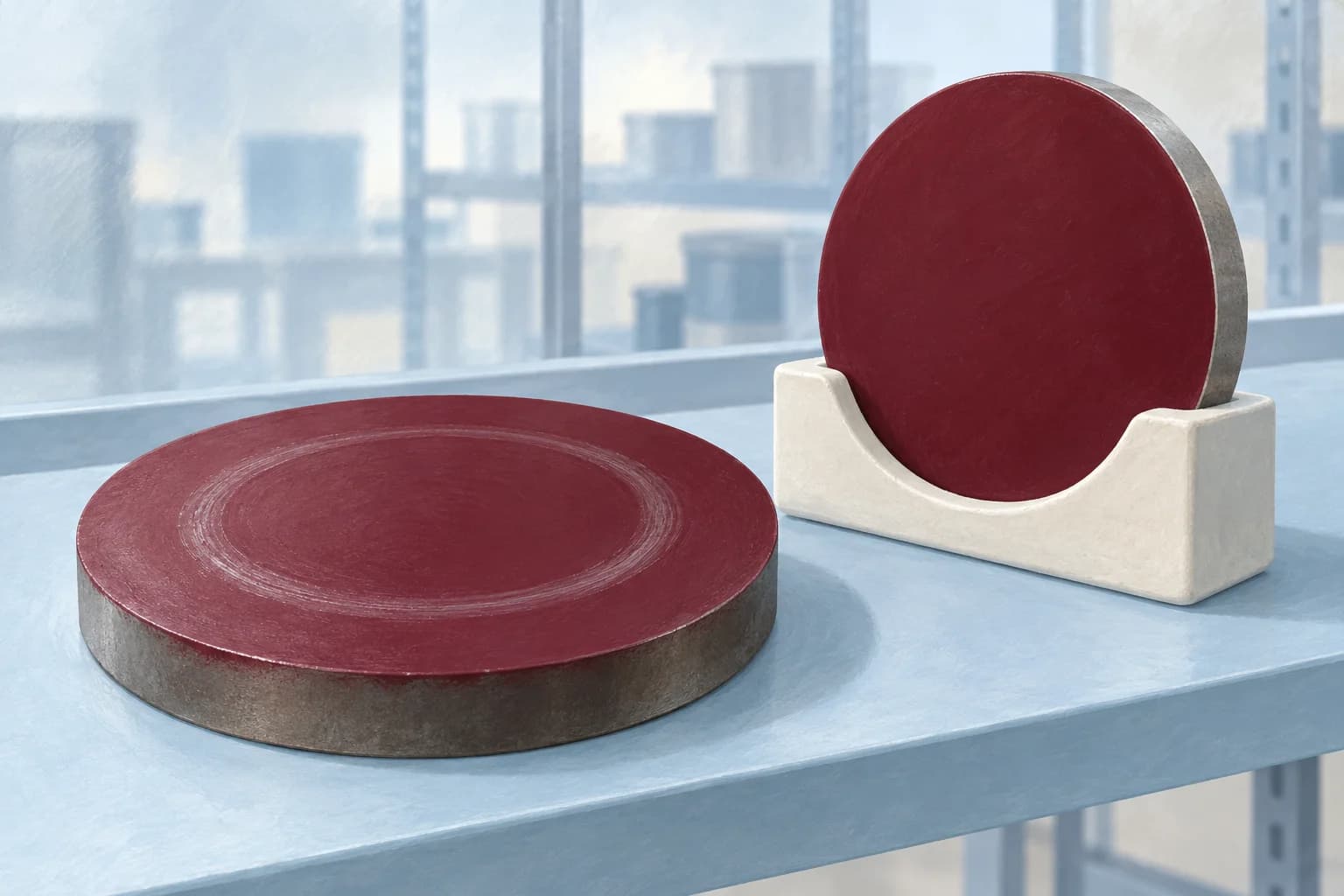
Taber Industries describes several ways of reporting rotary abrasion results, including mass loss, wear index, volume loss and cycles to a defined endpoint. Its guidance also identifies wheel selection and load as comparison parameters. These are different descriptions of a test result, so a bare number without its metric and conditions is not a complete comparison.
Create a comparison row for each proposal containing the tested product, specimen build-up, test reference, wheel, load, cycle count, result units and endpoint where relevant. Ask the supplier to fill missing fields from the underlying report. Keep the proposed installed system beside the tested specimen description so the reviewer can explain any difference between them.
If one submission reports mass removed and another reports cycles until a stated condition, leave the ranking unresolved. Ask for comparable evidence or a technical explanation of what can reasonably be concluded. Do not convert the figures yourself, average unlike reports or treat an omitted field as equivalent to the other bidder's value.
Reference: Taber Industries: abrasion result evaluation and comparison parameters
Ask where the laboratory comparison stops
Taber's wheel guidance cautions that accelerated abrasion testing may not exactly reproduce service wear and that abrasive wheels represent only part of the contact conditions encountered in use. A useful test can therefore support material comparison without predicting a particular building's repaint date. Ask the supplier to preserve that distinction in its recommendation.
In an illustrative tender comparison, two floor proposals could display similar-looking milligram figures but use different wheels. The owner should request clarification before awarding a durability premium to either. Even after the reports become comparable, give the reviewer the actual trolley, cleaning and operating information. Do not translate a percentage difference between laboratory results into the same percentage of extra service life.
Keep slip resistance, chemical exposure and substrate readiness on their own review lines. An abrasion finding does not close those decisions. If the reviewer proposes a different finish for a heavily used route, request the revised system boundary and its relationship to adjoining areas before accepting the change.
Reference: Taber Industries: limits of accelerated wear simulation
Record the reason for the selected option
Keep the comparison sheet, supporting reports and supplier's conclusion with the accepted floor proposal. State which evidence influenced the choice and which limitations remain. If a premium is accepted, describe the supported benefit being purchased instead of repeating an unsupported longest-lasting claim. Refer a substituted product back to the same review.
Bring this evidence package to an industrial coating discussion with PainterzRus and confirm the actual installation scope. Testing services and specialist system suitability require separate confirmation. This guide supplies no test procedure, passing abrasion value, price premium, warranty or prediction of how long your floor will last.
Keep this for your project
Your planning checklist
- Describe the actual wear concern and operating locations.
- Obtain the metric, units, specimen and test conditions.
- Leave unlike results unranked pending technical review.
- Separate laboratory comparison from service-life claims.
- Retain the selection rationale and unresolved requirements.
Does the lowest milligram figure always identify the best commercial floor coating?
No. Establish that the reports are comparable and that the evidence addresses your use. A favourable abrasion result is one selection input, not a complete system approval or a service-life guarantee.
Put the planning into practice
Download the free quote comparison kit to compare the work behind each price, or build your commercial project brief before requesting an estimate. No email required to use either tool.
Discuss your commercial project
For warehouse or light-industrial work, explore the access, surface-condition and downtime questions covered by our industrial and warehouse coating planning service.
Have a location and a rough scope? Request a commercial painting quote with the details you have. Access, timing and project requirements can then be reviewed for your property.
A planning guide from PainterzRus, a commercial painting business in Saskatoon. Not a site-specific coating specification, safety assessment or price quotation. Confirm requirements for your property before work begins.