The short answer
Ask the coating specifier to identify which steel details need stripe coating, then have each bidder price the same detail schedule. Stripe coating adds local coating at specified edges, welds and other difficult geometry within a complete system. A broad-area painting allowance should make that work explicit rather than leave the owner to assume it is included.
Identify the detail work behind the area total
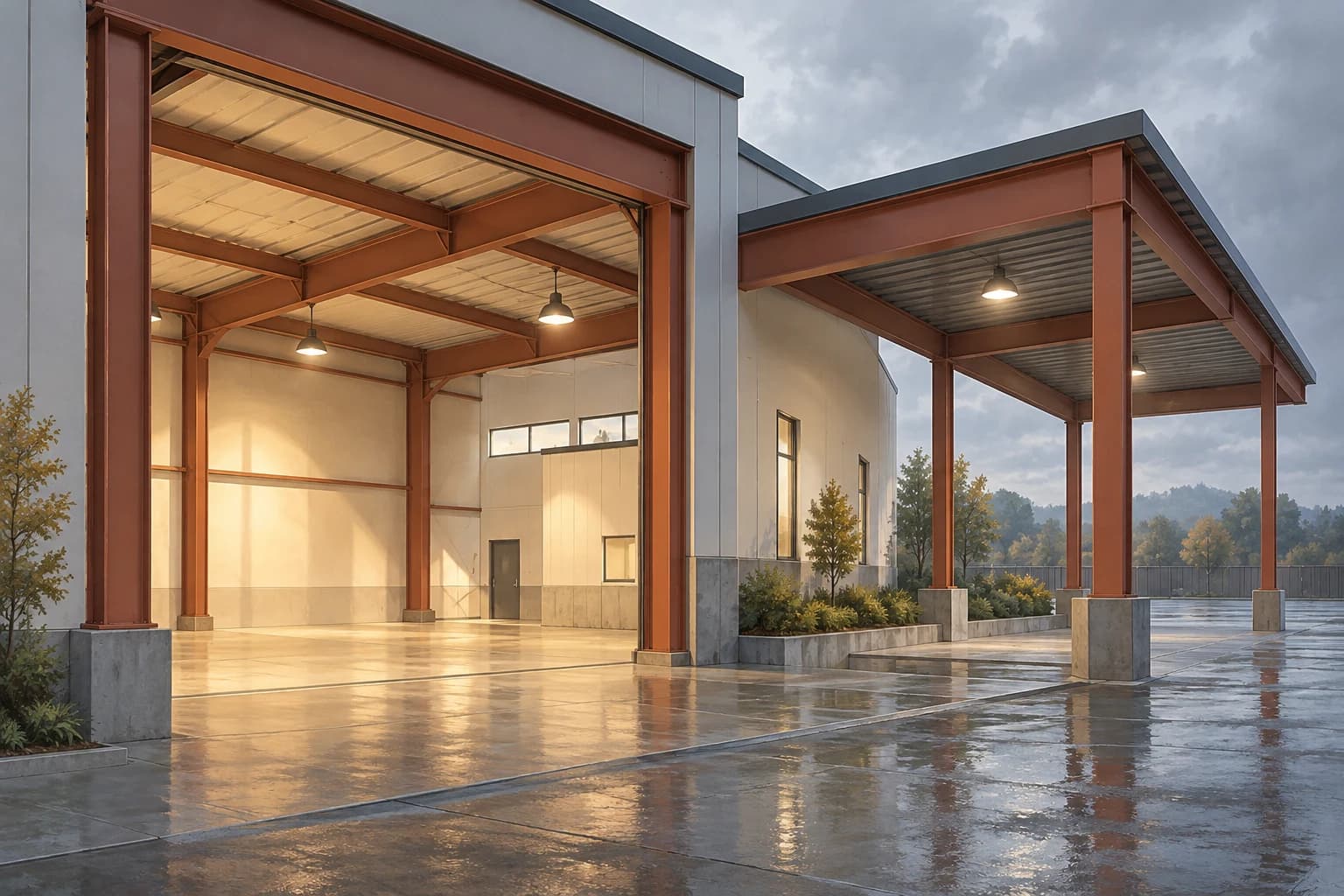
A Saskatoon warehouse owner may receive two proposals covering the same steel frame but describing its small details differently. Before comparing the totals, ask for a marked component drawing or photo schedule. Locate connection plates, exposed edges, welded attachments and obstructed faces. Ask the specifier which of these details require additional local coating within the selected system.
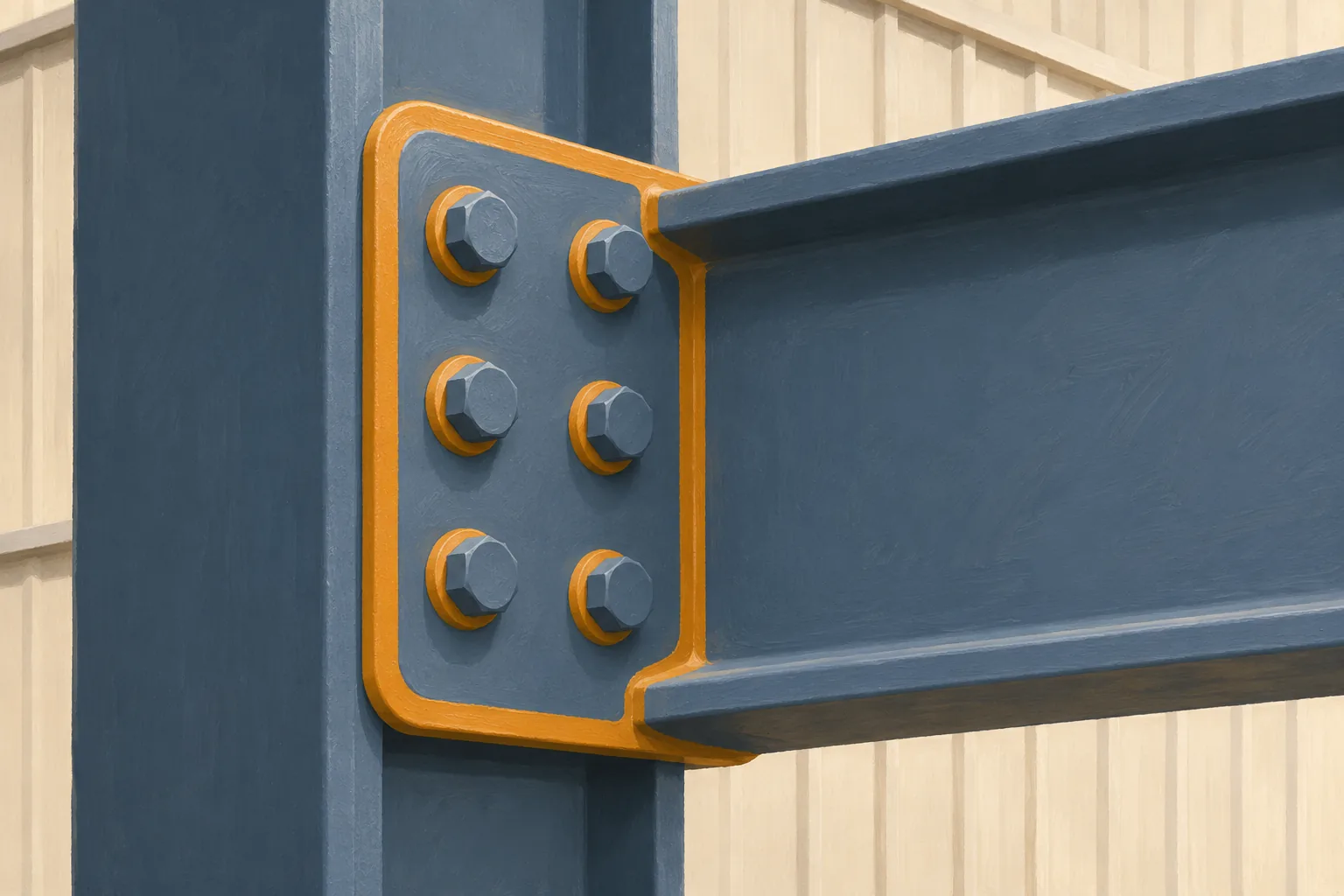
Hempel describes stripe coating as extra coating at edges, welds, fasteners and difficult geometry. Its professional guideline treats this as a supplement to full spray coating, not a replacement. The guidance concerns anticorrosive systems and requires product-specific documentation; it does not establish that every decorative metal repaint needs the same treatment.
Use that distinction to narrow the enquiry. The question is whether both prices include the specified detail work, not whether either contractor has allowed an extra full coat over every surface. Keep unidentified existing systems and any fire-protective coating outside an assumed ordinary-steel scope until the responsible specialist resolves them.
Reference: Hempel: Stripe coating technical guideline, scope and introduction, page 1
Have the specifier connect details to the coating sequence
For each component group, request the coating-system reference, the details to be treated and the layers in which stripe work is required. Ask who resolves a difference between the project specification and the proposed application plan. Do not write a universal stripe width or coat count into the order from an unrelated product example.
Jotun's Penguard EXA II application guide describes alternative stripe/full-coat sequences and cautions against excessive film thickness. It must be read with the system specification and relevant product documents. That product-specific example shows why simply adding more paint or assuming one sequence is not a substitute for an agreed plan.
Ask the proposer to explain how the specified detail work appears in the work programme, including any review before a later layer obscures it. A product substitution should reopen this question with the specifier. The cited guide is background for procurement questions, not a recommendation to purchase that product or evidence of its availability for this site.
Reference: Jotun: Penguard EXA II application guide, stripe-coating sequence and thickness caution, page 6
Compare a detail schedule, not a vague extra-coat line
Use a short schedule alongside the quotation. Give each entry a location, a reference to the required treatment, the access assumption, the responsible party and a clear included or excluded status. Let the contractor state the quantity basis used for pricing. The owner should be able to reconcile the entry with the marked photographs without estimating a technical requirement.
In an illustrative loading-bay refurbishment, the front of a connection plate is visible during the walkthrough while its reverse face is obstructed by retained equipment. One bidder might include access to both sides; another might price only the visible face. Ask for the same access decision before comparing those prices. An unresolved face remains an explicit scope question, rather than disappearing into the area total.
Keep preparation or repair of steel defects separately identifiable from the coating allowance. Assign assessment of damaged connections to the appropriate building professional. The coating discussion should not silently authorize alterations to bolts, welds or load-bearing members. This fictional example does not describe a PainterzRus project or prescribe a repair.
- Location: component identifier and photograph reference.
- Requirement: specifier-approved details and coating layers.
- Access: included arrangements and unresolved obstructions.
- Commercial basis: included price, exclusion or defined allowance.
- Completion: required record, reviewer and unresolved-item owner.
Close the allowance without overstating what it proves
Agree what completion evidence the project reviewer needs for the stripe work and connect it to the detail schedule. Record omitted locations, approved changes and the disposition of inaccessible areas. Photographs can help identify where work occurred when the reviewer requests them, but they should not be presented as measured thickness or a complete inspection certificate.
Keep specified thickness measurements and continuity testing as their own acceptance records. This guide addresses whether the purchased work includes the identified details; it does not replace those inspections, choose a corrosion category or promise a service life. Retain the final detail schedule with the accepted coating-system documents.
Bring the component photographs and reviewed schedule to a PainterzRus industrial and warehouse coating discussion. Confirm the actual installation scope and any separate specialist arrangements before commissioning the work. No specialist certification, inspection equipment, price or availability is implied.
Keep this for your project
Your planning checklist
- Mark steel details on component photographs before comparing coating prices.
- Ask the specifier to identify stripe-coating locations and required layers.
- Reconcile access assumptions and exclusions across bidders.
- Keep steel assessment and repair responsibilities separate from coating.
- Agree detail-work completion records and retain separate inspection results.
Is an allowance for two full coats enough to show that stripe coating is included?
Not by itself. Ask the bidder to identify the stripe-coating work required by the selected specification and connect it to the priced detail schedule. Resolve any omission with the specifier before awarding the work.
Put the planning into practice
Download the free quote comparison kit to compare the work behind each price, or build your commercial project brief before requesting an estimate. No email required to use either tool.
Discuss your commercial project
For warehouse or light-industrial work, explore the access, surface-condition and downtime questions covered by our industrial and warehouse coating planning service.
Have a location and a rough scope? Request a commercial painting quote with the details you have. Access, timing and project requirements can then be reviewed for your property.
A planning guide from PainterzRus, a commercial painting business in Saskatoon. Not a site-specific coating specification, safety assessment or price quotation. Confirm requirements for your property before work begins.