The short answer
Separate fresh masonry and cement-based repairs from the older surfaces around them before scheduling paint. Obtain the repair material's curing requirements and the proposed coating's substrate requirements, then assign a documented readiness decision. A completed masonry repair is a trade milestone; it does not automatically release that area for decoration.
Mark the new work on the painter's elevation
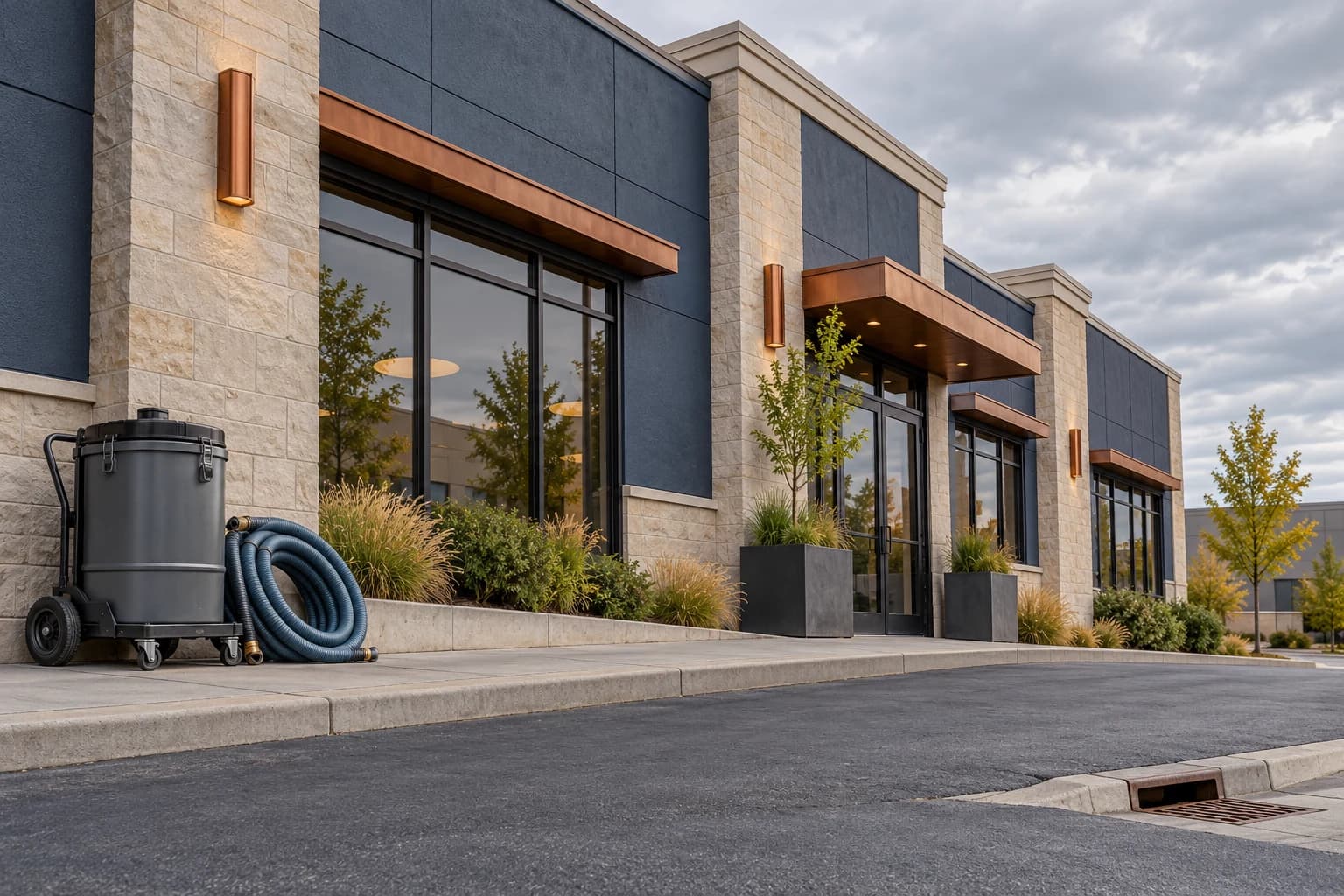
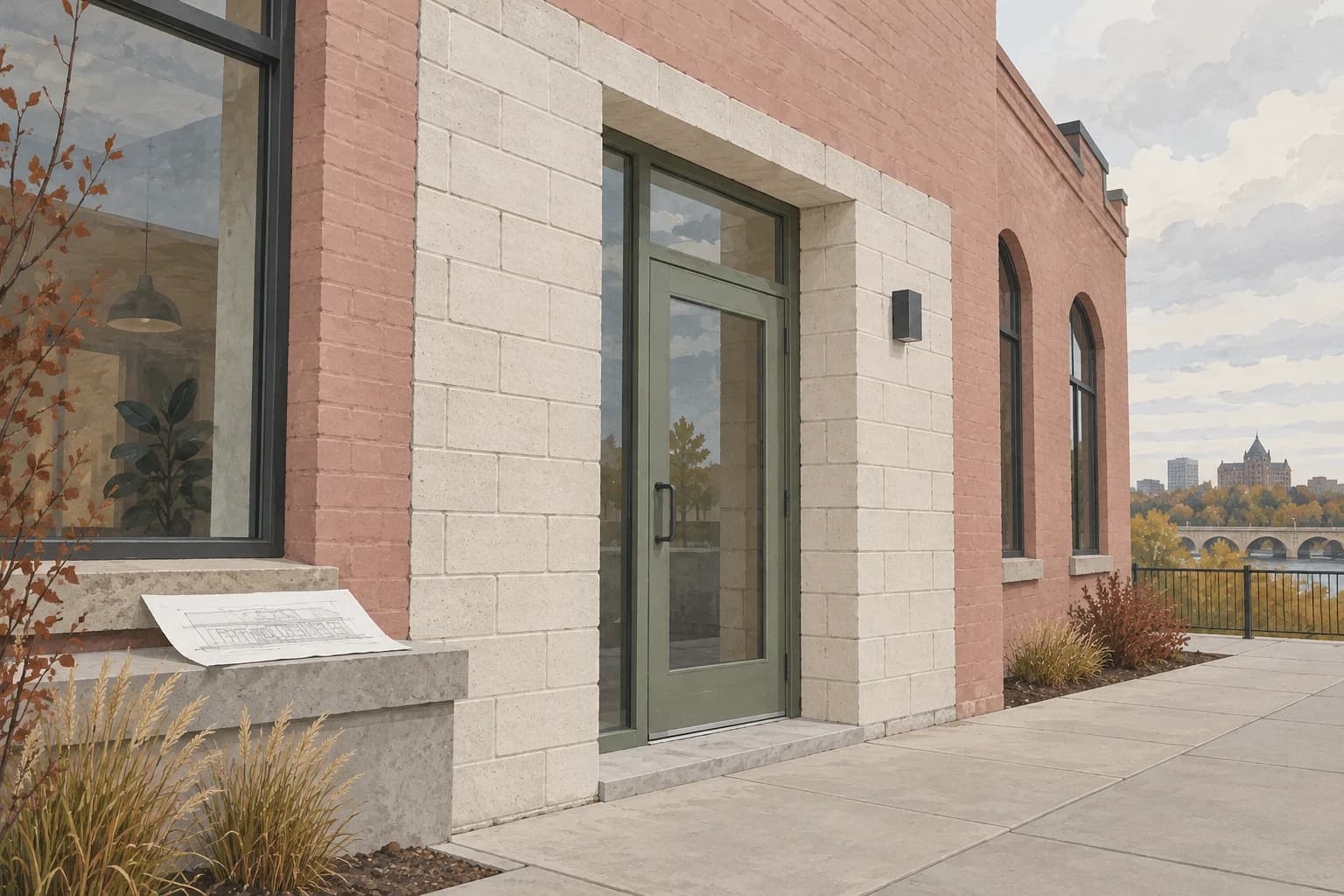
A Saskatoon storefront refresh may combine an older painted wall with a newly infilled opening or repaired render. Put those areas on the same marked elevation, but give each a separate scope entry. Identify who installed the new material and who holds its product information. Do not describe the entire wall as existing masonry when part of the surface was recently rebuilt.
Request the repair product or mortar identification, installation record and available curing information from the preceding trade. Include later patches added after the main repair. If the material remains unidentified, record that gap and assign someone to recover the information. The painter needs a traceable handoff rather than a message that the wall is finished.
Ask the supplier to connect curing and alkalinity to the coating
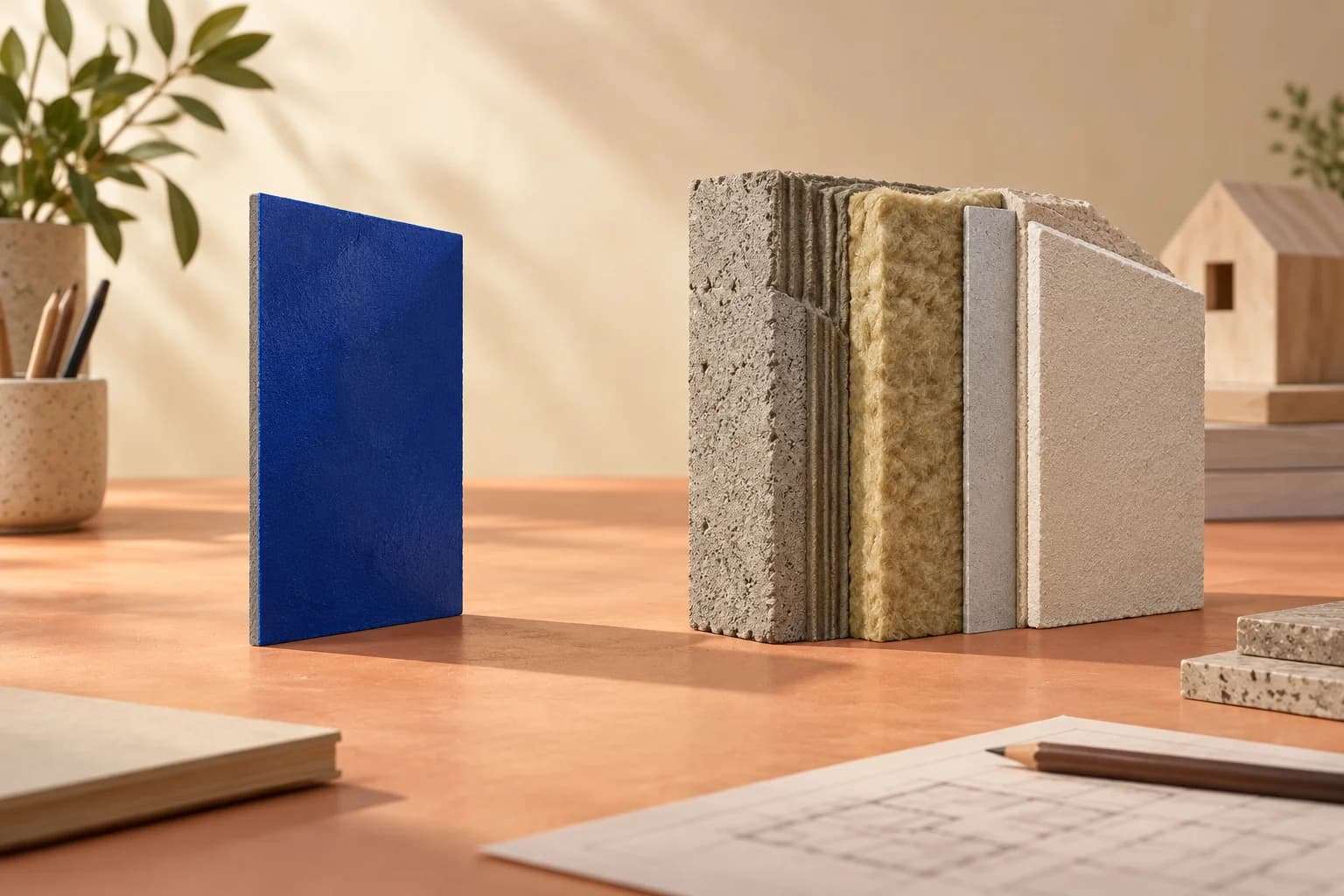
Sherwin-Williams identifies alkali burning as colour loss and film deterioration on fresh masonry, concrete or stucco. Its guidance relates alkalinity to pH and calls for curing according to the substrate supplier's recommendations. This establishes a compatibility question before painting; it does not provide one waiting period or pH limit for every repair and coating combination.
Send the material records and proposed primer and finish to the responsible coating supplier. Ask which requirements apply and what assessment will support release. If pH measurement is required, have the qualified reviewer specify and interpret it for the actual surface. Keep moisture suitability and other preparation requirements visible as separate checks; none should be inferred from a single reported number.
Leave sampling, preparation and any chemical treatment with the responsible contractor. The owner's role is to obtain the requirement, evidence and decision. A dry appearance, an attractive sample or the age of adjoining masonry should not substitute for that response.
Reference: Sherwin-Williams: alkali burning and fresh masonry
Compare postponement with a supported specification change
If the intended painting window arrives before readiness is established, ask for two explicit responses: the conditions for proceeding with the original system, and any supplier-supported alternative proposed for earlier work. Do not treat a different primer as an automatic shortcut. The revised proposal should identify the exact materials, affected area, remaining prerequisites and person responsible for technical acceptance.
Ask the contractor to state the actual consequences for access, protection and return visits. In an illustrative storefront, an older side wall might be available while the infilled opening remains held. The owner could postpone the whole elevation or ask whether separate visits are practical. That choice depends on the accepted finish boundary and contractor proposal, not an assumed universal saving from working in phases.
Keep the tenant's desired opening and the substrate decision in separate schedule fields. If a programme change is needed, obtain the revised scope and commercial terms before authorizing it. This example supplies no curing duration, guaranteed completion date or PainterzRus availability claim.
Retain the release against the repaired area
Before decoration, record the repair identifier, accepted system, supporting assessment and release authority. Mark any additional patch or unresolved edge separately. A later repair should return to the same review process instead of inheriting approval from an adjacent area. Preserve the record with the wall's final finish schedule.
At handover, confirm which new and retained areas were painted and note any exclusions. This guide concerns readiness of fresh cementitious work, not diagnosis of white deposits or selection of a smoother block texture. Bring the elevation and trade records to a property-maintenance painting discussion with PainterzRus and confirm the actual work offered.
Keep this for your project
Your planning checklist
- Identify new masonry, later patches and retained finishes separately.
- Recover material identities and the preceding trade's curing records.
- Obtain system-specific requirements and an assigned readiness review.
- Compare postponement with any supported specification revision.
- Link the final release to the exact repaired areas.
Can the old wall's paint specification automatically cover the new infill?
Ask the supplier to review the new substrate before extending that specification. The older finish provides useful history, but it does not establish the curing condition or suitability of recently placed material.
Put the planning into practice
Download the free quote comparison kit to compare the work behind each price, or build your commercial project brief before requesting an estimate. No email required to use either tool.
Discuss your commercial project
For tenant turns, corridors and repeat refreshes, explore the scope and handover questions covered by our commercial property maintenance painting service.
Have a location and a rough scope? Request a commercial painting quote with the details you have. Access, timing and project requirements can then be reviewed for your property.
A planning guide from PainterzRus, a commercial painting business in Saskatoon. Not a site-specific coating specification, safety assessment or price quotation. Confirm requirements for your property before work begins.