The short answer
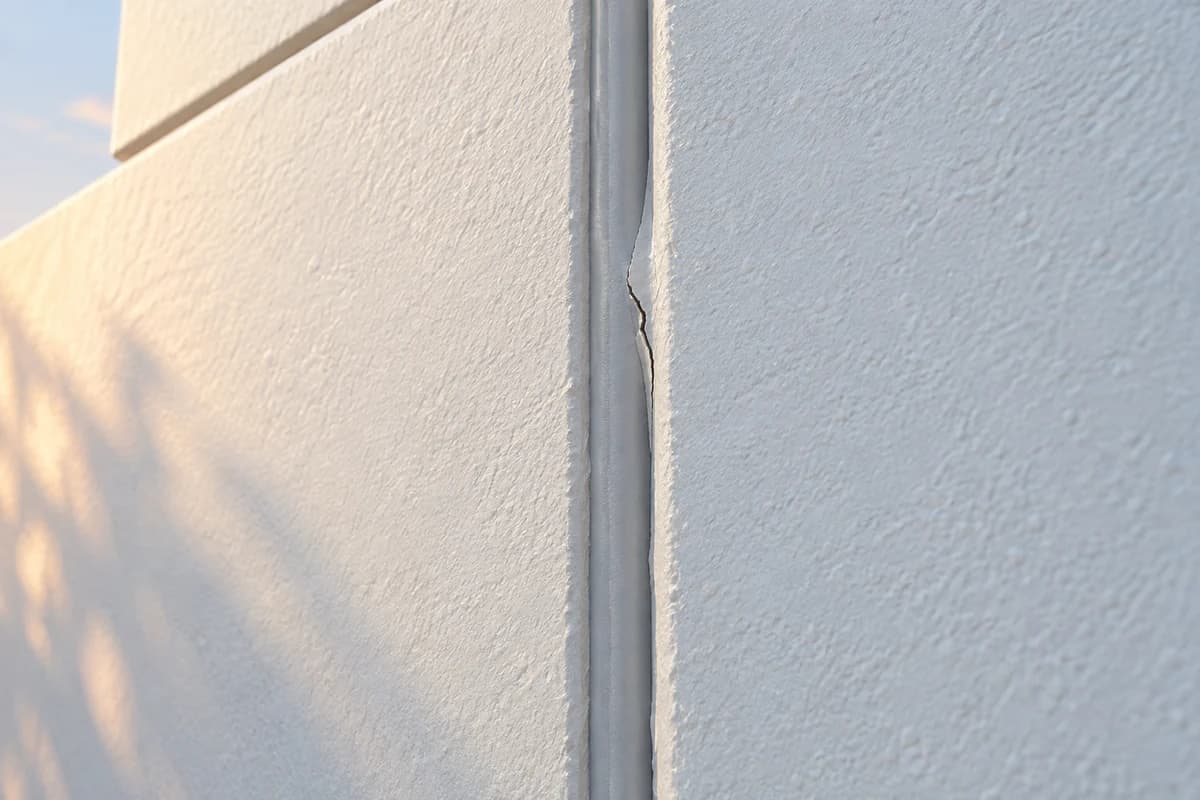
A recurring line in paint over sealant needs assessment before another cosmetic coat. Ask whether the paint film has cracked, the sealant has failed or the joint needs specialist review. Paintability and flexibility are separate questions; a coating that adheres initially is not automatically suitable across a moving joint.
Record the line without opening the joint
Photograph the affected joint from a safe position, including the adjacent surfaces. Note whether the line returned after a repaint and whether the building has an earlier sealant record. Describe what you can see without assigning a cause: cracked paint, an open edge or a change in the joint's appearance are observations for the responsible assessor.
Do not ask maintenance staff to cut out sealant, widen the gap or pack it with rigid filler for a painting visit. Have the building team identify the joint's function and appropriate specialist. Suspected structural movement, leaks, fire-rated assemblies and glazing-related seals require their own qualified review; this guide does not provide a repair procedure for them.
Check more than whether paint sticks
Sika's Sikaflex-1a Arctic data sheet requires preliminary paint-compatibility trials and warns that non-flexible paint systems can impair sealant elasticity and crack. This product-specific example explains why initial adhesion does not settle the whole question. Its instructions are not a specification for an unidentified sealant elsewhere in the building.
Ask the contractor or sealant specialist to identify the installed material, its condition and whether the proposed coating is permitted. Obtain the applicable curing and overpainting requirements for that exact combination. If a joint is meant to remain unpainted, mark that boundary on the scope rather than letting a uniform wall colour override the functional detail.
Reference: Sika: sealant overpainting compatibility and paint-film cracking
Assign the remedy before pricing a repaint
Request a finding that distinguishes coating work from sealant work and any investigation by others. If only the paint requires attention, the proposal should explain how the accepted joint detail will be preserved. If sealant replacement is necessary, agree who specifies and completes it, and who confirms readiness before adjacent decorative work begins.
Review appearance separately from the specialist's functional acceptance. A neat painted line does not establish that the joint performs correctly. Keep the chosen material, any approved coating and the review outcome with the maintenance record. If the line returns, refer back to that record and reassess instead of automatically repeating the previous cosmetic repair.
Keep this for your project
Your planning checklist
- Photograph the line and collect previous sealant records.
- Have the joint's function identified before disturbance.
- Confirm sealant condition and exact coating compatibility.
- Separate painting, sealant work and specialist investigation.
- Preserve unpainted boundaries and record recurrence.
Will a thicker paint coat stop a joint line returning?
That is not a supported assumption. Establish which layer is failing and whether the proposed finish suits the sealant and joint before authorizing another coat.
Put the planning into practice
Download the free quote comparison kit to compare the work behind each price, or build your commercial project brief before requesting an estimate. No email required to use either tool.
Discuss your commercial project
For tenant turns, corridors and repeat refreshes, explore the scope and handover questions covered by our commercial property maintenance painting service.
Have a location and a rough scope? Request a commercial painting quote with the details you have. Access, timing and project requirements can then be reviewed for your property.
A planning guide from PainterzRus, a commercial painting business in Saskatoon. Not a site-specific coating specification, safety assessment or price quotation. Confirm requirements for your property before work begins.